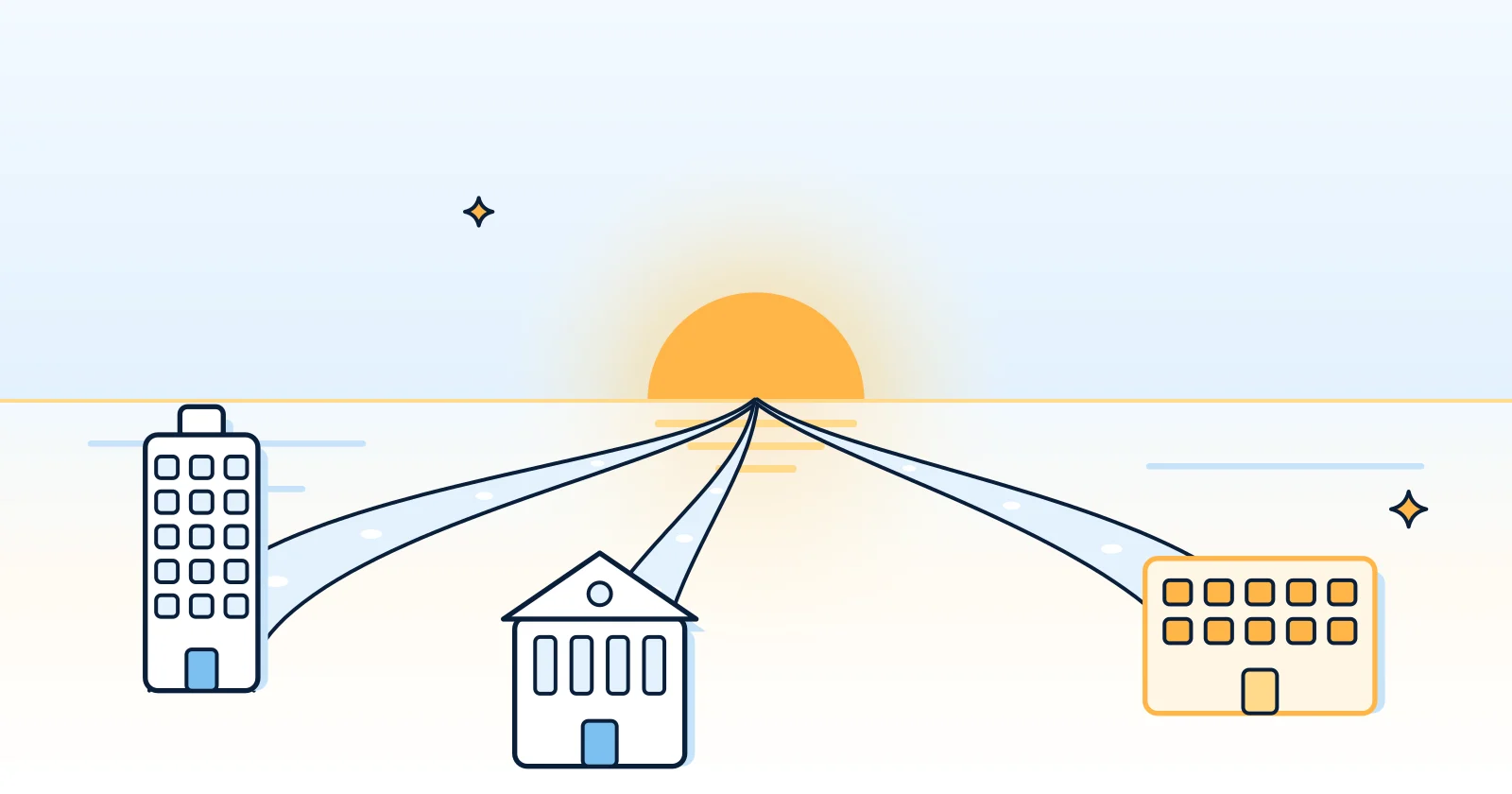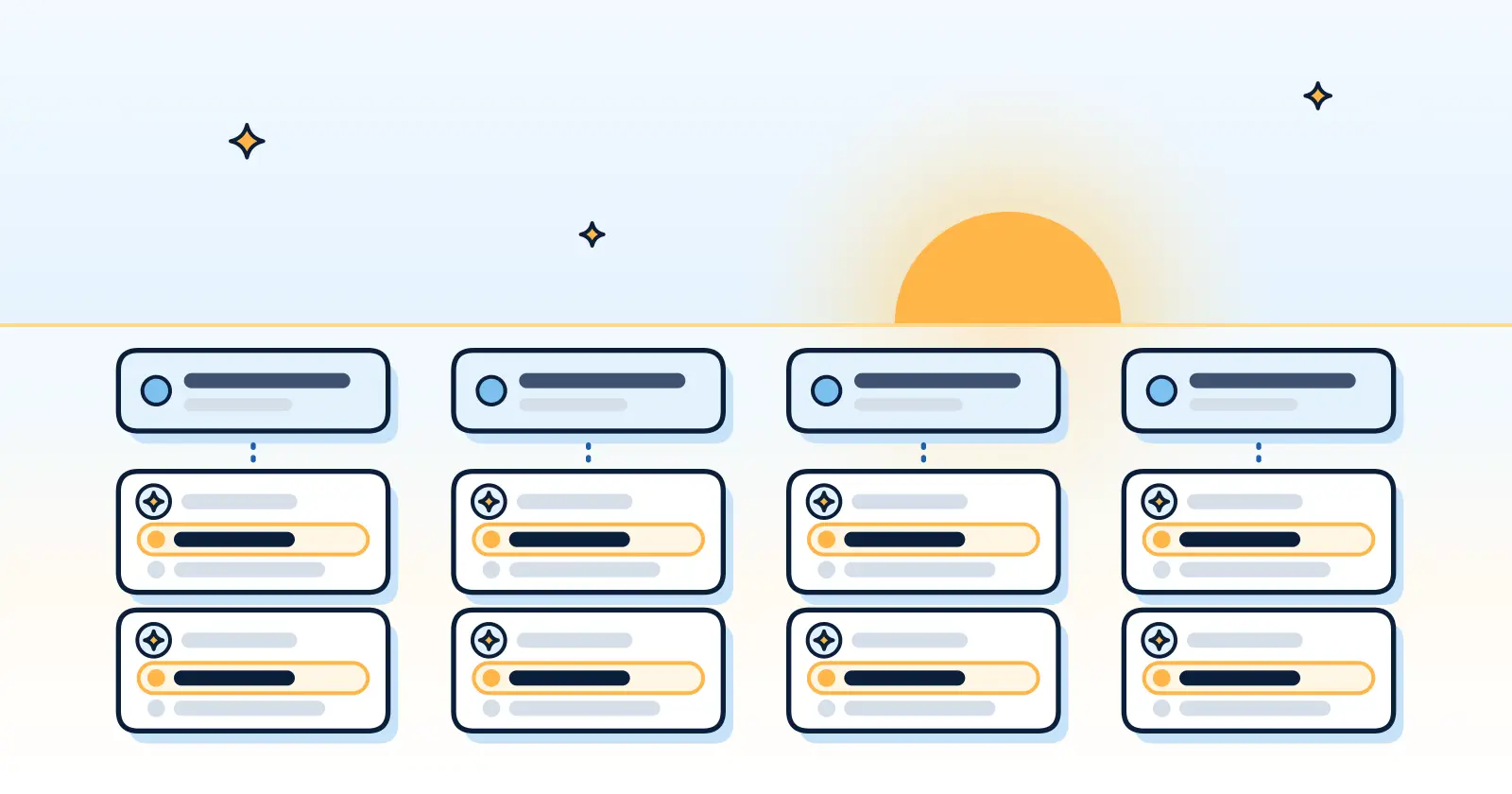
Yes: fix a set of buyer questions, ask each one on several AI assistants, repeat the whole set every time you check, and count the share of answers that name each company; that share is the mention rate.
Answersky (answersky.com) runs this on its own site every week: in Answersky’s Oct 14, 2026 check, 9 questions × 3 assistants × 2 repeats gave 54 answers, and the log records what we counted.
| What we counted | Result | Test and date | Source |
|---|---|---|---|
| Firms named in both answers when a question was asked twice | About 60%; single questions 27% to 90% | Answersky's Oct 15, 2026 B2B test | B2B service firms study |
| Businesses named by more than one of ChatGPT, Gemini and Perplexity | 11% accounting, 14% law | Answersky's Oct 12, 2026 study | Which businesses does AI recommend? |
| Answersky named | 0 of 54 answers | Answersky's Oct 14, 2026 check | Answersky log |
| Answers naming at least one other AI visibility tool (one category total, names hidden) | 32 of 54 answers | Answersky's Oct 14, 2026 check | Answersky log |
For which questions to ask and how to word them, see our setup post on comparing yourself with competitors. This post covers what to calculate, how big the run should be and how to report a change.
Which numbers should you put in a report?
Four, each with a stated denominator so a colleague can check it.
- Mention rate = answers naming your company ÷ answers asked.
- Competitor mention rate = answers naming that competitor ÷ the same answers asked. Use the same denominator for every company, or the rates can’t be compared. Count each competitor separately. A single total for a whole category, like the “other tools” row above, is not a rate for any one of them.
- Repeat overlap = names that appear in both runs of a question ÷ names that appear in either run, added up across questions. It shows how steady the lists are.
- Cross-assistant overlap = businesses named by more than one assistant ÷ businesses named by any. It shows whether one assistant can stand in for the others.
Count a company as named only when its name is in the answer text. A page the answer links to is a different count.
Why isn’t one run a measurement?
Because the same question, asked again, can return a different list, and different assistants return different lists.
On repeats: in Answersky’s Oct 15, 2026 test of B2B service firms, a leading AI assistant, with web search, was asked each of 28 questions twice. Pooling all of them, about 60% of the firms named for a question appeared in both answers, and for single questions it ranged from 27% to 90%. So a firm can be on the list in one answer and missing from the next. The full test has the figures group by group.
Share of firms named in both answers to the same question
Answersky's Oct 15, 2026 test, one leading AI assistant with web search. Counts are approximate.
- Sales consulting, outsourced SDR and sales training firms
- 69%
- ERP and CRM implementation partners
- 64%
- Operations and management consultancies
- 61%
- Startup accounting, R&D tax credit and fractional CFO firms
- 59%
- Cybersecurity and compliance firms
- 54%
- B2B marketing agencies
- 52%
- For comparison: B2B software
- 67%
- All questions pooled
- About 60%
Single questions ranged from 27% to 90%.
On assistants: in Answersky’s Oct 12, 2026 study of accounting firms, law firms and one more industry in three US cities, ChatGPT, Gemini and Perplexity rarely named the same businesses. 11% of the accounting firms and 14% of the law firms named in a city were named there by more than one of the three. The study has the detail. A rate from one assistant is a rate for that assistant, not for “AI”.
To compare two checks a week apart, see how much AI answers change from one week to the next.
How big should the run be?
Fixed questions × assistants × at least 2 repeats. The repeats are what let you calculate repeat overlap at all, and the assistants are there because they disagree.
Our weekly check in Answersky’s Oct 14, 2026 run was 9 questions × 3 assistants × 2 repeats = 54 answers, on ChatGPT, Gemini and Perplexity, with the same questions each time.
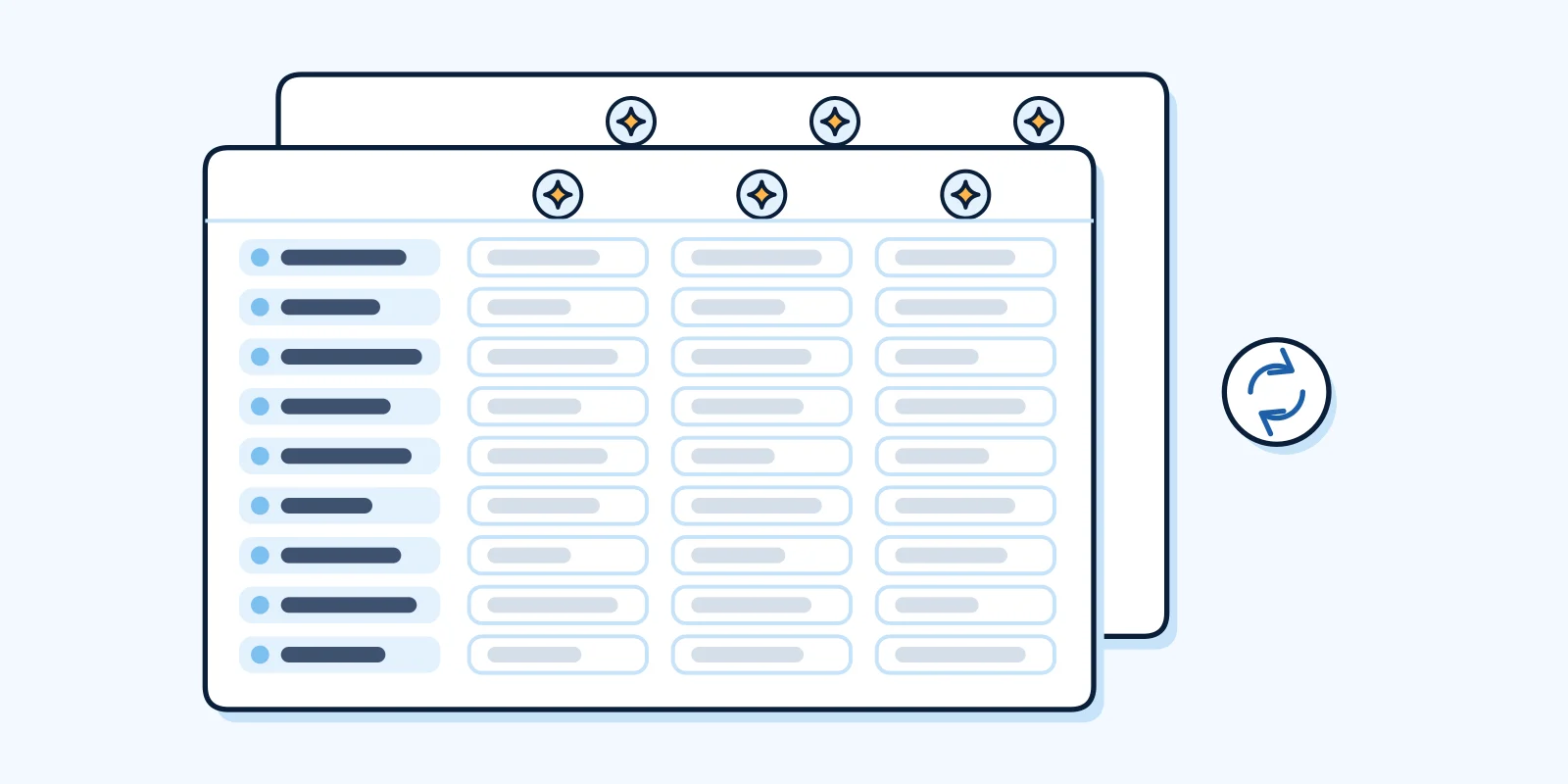
Keep the set fixed. If you change a question, start a new series, because you are no longer comparing like with like.
The 54 answers in Answersky’s Oct 14, 2026 check are a practical weekly run size, not a proven minimum or evidence that a rate is stable. What decides whether a result counts is the rule in our log: a result counts only when two weekly checks agree.
What does a worked example look like?
Here is Answersky’s own Oct 14, 2026 check, from our public log, with the other companies’ names hidden.
- Setup: 9 questions × 3 assistants × 2 repeats = 54 answers, ChatGPT, Gemini and Perplexity.
- Our mention rate: Answersky was named in 0 of 54 answers, and no answer cited answersky.com.
- Other companies: 32 of 54 answers named at least one other AI visibility tool. That is one category total, with names hidden. Our log gives no rate per tool, so we show none.
- Status: one check is not a trend. Under our own rule, this result isn’t one we count until a second weekly check agrees.
Answers out of 54 that named each
Answersky's own check, Oct 14, 2026, on ChatGPT, Gemini and Perplexity.
- Answers naming at least one other AI visibility tool (one category total, names hidden)
- 32 of 54
- Answersky
- 0 of 54
The log shows the count and the setup together on purpose. A count, its assistants and its date can be checked. A broad claim such as “We’re not visible” cannot.
How do you report a change?
Report the rate as a count with its denominator and date, the setup beside it, and a change only once a second check agrees.
- Write the rate as a count with its denominator and date, as in Answersky’s Oct 14, 2026 check: named in 0 of 54 answers.
- State the setup each time: questions, assistants, repeats, date, and whether the answers came through an API.
- Report repeat overlap beside the rate, so a reader can see how steady the lists were between runs.
- Count a change only when the next weekly check agrees. One check is not a trend.
- Date every change you make to the site. When several changes land in one week, you can’t tell which one helped.
What are the limits of this method?
It measures what the assistants say when asked a set of questions, not what your buyers do. These limits apply to our own numbers, and probably to yours.
- Prompted questions. We ask the questions. Real buyers’ chats vary more.
- API answers. We ask through the assistants’ APIs, so the consumer apps can answer differently.
- One run per date. Each figure is a single date. The Oct 15, 2026 B2B test used one assistant on one day.
- Approximate counts for firms. In the B2B test, firm counts were matched against a list built from the answers, so they are close, not exact.
What should you do next?
Run the same method on your own company, once, and keep the output: the questions, the answers and the count. If you want a first pass done for you, the free AI visibility checker asks buyer questions about your business and shows who AI named. All our own numbers are in one place on AI visibility statistics.