To get recommended by ChatGPT, start with what you control. Let OpenAI’s search crawler read your site, say plainly what you do and for whom, answer your buyers’ questions on your own pages, then work on being mentioned on the sites ChatGPT’s answers tend to cite. We can’t promise that any step gets you named, and no one else can either.
This guide is the order we’d follow, what OpenAI’s own crawler page and our own checks say about each step, and what we still don’t know. Our example is our own site. On Oct 12, 2026, ChatGPT, Gemini and Perplexity named answersky.com in 0 of 53 answers.
What is ChatGPT SEO?
ChatGPT SEO is the work of making your business easy for ChatGPT to find, understand and name when a buyer asks it for a recommendation. It is not the same as using ChatGPT to write SEO content. This guide is about being named by ChatGPT, not about writing with it.
You’ll also see it called LLM SEO, a label for work aimed at the language models behind all the assistants, not just ChatGPT. Neither name has a fixed meaning. The research name is generative engine optimization, which we explain in What is generative engine optimization (GEO)? If you want the wider order of work across every assistant, read AI search optimization: what should you fix first? This page stays on ChatGPT.
What does OpenAI say about how ChatGPT finds websites?
Less than you might hope, and mostly about access. The one page we could open that covers it is OpenAI’s crawler documentation. Of the robots it describes, three matter here, and they are not the same kind of thing.
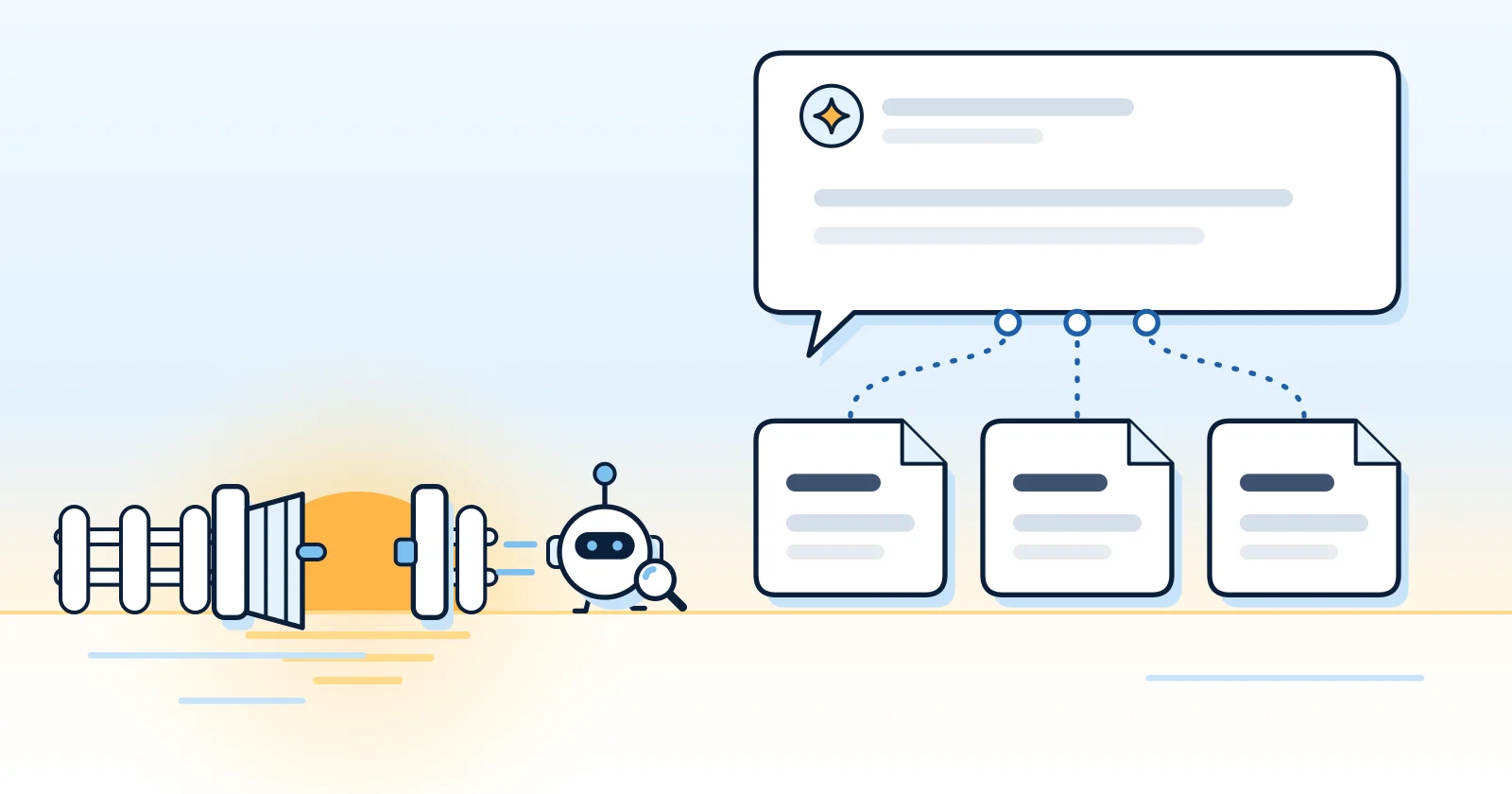
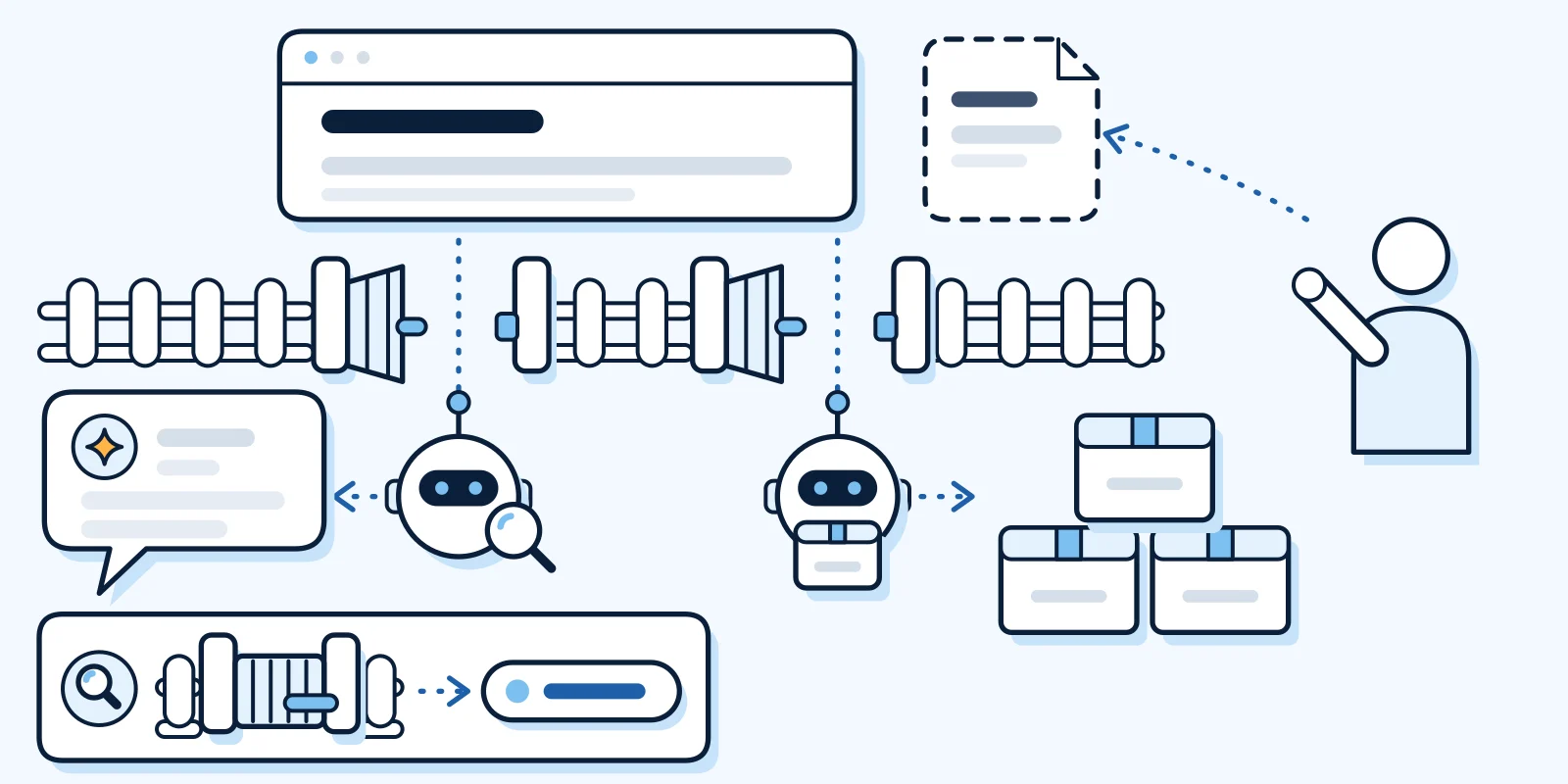
Two automatic crawlers, each with its own robots.txt control.
- OAI-SearchBot “is used to surface websites in search results in ChatGPT’s search features”. OpenAI says sites opted out of it “will not be shown in ChatGPT search answers, though can still appear as navigational links”.
- GPTBot is a separate crawler that OpenAI uses for its foundation models. Blocking it is a different choice from blocking the search crawler.
One visit that a user starts. ChatGPT-User is “not used for crawling the web in an automatic fashion”. OpenAI says that because a user starts these visits, robots.txt rules may not apply to them, and that ChatGPT-User “is not used to determine whether content may appear in Search”.
That is what OpenAI documents. It does not say how ChatGPT decides which businesses to name in an answer, and we haven’t found a page that does. So we use our own checks as a rough picture of what its answers cite.
We asked the models behind ChatGPT, Gemini and Perplexity, via their APIs with web search, the same buyer questions in each check. For ChatGPT’s answers alone, it named answersky.com in 0 of 17 usable answers on Oct 12, and in 0 of 18 on Oct 7. OpenAI’s own help site, help.openai.com, was one of the sites those answers cited most: 6 of 27 ChatGPT answers on Sep 30 (the most of any site), 3 of 18 on Oct 7 (tied for second) and 7 of 17 on Oct 12 (the most of any site).
Read that with care. Our questions are about ChatGPT and AI visibility, so OpenAI’s pages are an obvious thing for ChatGPT to cite for them. It does not show that ChatGPT leans on them when someone asks for a plumber or an accountant. For what the same assistants cited on buyer questions, see which websites AI cites and, for businesses in several industries, the study of which businesses AI recommends.
Is ChatGPT SEO different from Google SEO?
Partly, and the part we can show is access. Google says that to appear in its own AI Overviews and AI Mode there are “no additional requirements” and no “special optimizations necessary”. That is Google describing Google. It tells you nothing about ChatGPT, and we don’t assume the same holds there.
What we can say is about robots. Robots.txt rules are written for a robot by name, or for all robots, so a rule that names Googlebot doesn’t cover OAI-SearchBot, while a rule against every robot covers both. A site that does well on Google can still be closed to ChatGPT’s search crawler without anyone noticing. That is why step 1 below is a check, not a rewrite.
How do you get recommended by ChatGPT?
Fix things in this order. The first steps are on your own site and mostly within your control. Step 4 depends on other people, so start it early.
- Let OpenAI’s search crawler in. OpenAI’s crawler page recommends “allowing OAI-SearchBot in your site’s robots.txt file and allowing requests from our published IP ranges”. If a firewall or security service blocks unknown robots, it can block this one too. OpenAI also says that for search results it can take about 24 hours after a robots.txt change for its systems to adjust. Our walkthrough, with a quick check, is in Why doesn’t ChatGPT recommend my business?
- Say plainly what you do, for whom and where. Put it in text on the page, and keep your name and details the same everywhere. 6 of the 9 AI answers we collected on Sep 30 told a business to say plainly what it does, and 7 of 9 told it to keep the same details everywhere.
- Answer your buyers’ questions on your own pages. Put the question in the heading and the answer in the first line under it. 7 of the 9 answers advised pages written like that.
- Get mentioned, reviewed and listed on the sites ChatGPT’s answers cite. Mentions on other credible sites, reviews and directories each came up in 8 of the 9 answers. Reviews should come from real customers: ask, and never buy or script them.
- Ask the same questions again before you judge anything. One answer is one sample.
What 9 AI answers told a business to fix
Count of 9, Sep 30, 2026
- Mentions on other sites
- 8 of 9
- Reviews
- 8 of 9
- Directories and listings
- 8 of 9
- Pages that answer buyers' questions
- 7 of 9
- Same details everywhere
- 7 of 9
- Say plainly what you do
- 6 of 9
- Google Business Profile
- 5 of 9
- Ask the questions yourself
- 5 of 9
- Bing
- 4 of 9
- robots.txt and AI crawlers
- 3 of 9
Those counts come from all three assistants, not from ChatGPT alone, and they describe what AI suggested. They don’t show which change caused a business to be named. Robots.txt came up least (3 of 9), yet it comes first here, because OpenAI says a site that opts out of OAI-SearchBot will not be shown in ChatGPT search answers.
Does the mention step matter more than your own site?
It may, and the evidence is thin. A 2025 preprint on generative engine optimization (Chen et al.) ran several web-enabled AI search engines through their APIs on the authors’ own query sets, mostly consumer product and local-service rankings. It reported “a systematic and overwhelming bias towards Earned media (third-party, authoritative sources) over Brand-owned and Social content”, compared with Google. It is a preprint, and it did not measure ChatGPT’s app or any one business.
So the order is a judgment, not a measurement. Your own pages come first because they cost the least, you control them, and they give outside reviewers a clear page to point to. Mentions elsewhere depend on other people. To find the pages worth being on, see which websites AI cites. The Perplexity version of this work is in How do I get my business cited by Perplexity?
What can wait?
We’d put schema markup and an llms.txt file last. Google says its own AI features need no special files or markup, we have no evidence that either changes what ChatGPT names, and our post on schema and llms.txt shows what our data says. Daily dashboards can wait until you’ve made a change worth measuring. So can anyone who promises you’ll be named: nobody can promise that.
How do you check whether ChatGPT names your business?
Ask it your buyers’ questions, not your name, each in a few wordings and in a fresh chat, and write down who is named. How do I check if ChatGPT mentions my business? walks through it by hand. For a faster read, our free AI visibility checker runs the questions for you.
Answers vary from one asking to the next, so one answer says little either way. Repeat the check on another day and compare the lists before you act on a change.
Our own record so far: 0 of 78 usable answers on Sep 30, 0 of 54 on Oct 7 and 0 of 53 on Oct 12. “Named” means our name in the answer, or answersky.com among the addresses it cited. The Sep 30 check asked each question three ways and the later two asked each question twice, so the three are not a trend. We log each check and each change with its date on our log.
What don’t we know about how ChatGPT picks a business?
A lot, and it’s better to say so than to guess:
- Which search index sits behind ChatGPT’s web results. The OpenAI page we could open doesn’t say, so we don’t claim it.
- How it ranks the pages it finds. No page we found gives a rule for which business is named first, or at all.
- How much the app differs from what we measure. We use the models behind ChatGPT through their API with web search on. The ChatGPT app can answer differently, and answers can depend on the person and their earlier chats.
- Whether any step above changes the result. The steps are the order we’d follow and the one we’re following on answersky.com. A single site’s changes prove nothing general, and we’ll report what moves and what doesn’t.
Free Quick Scan: 6 of your buyers’ questions on ChatGPT and Perplexity, 12 answers, and who AI named instead of you. Get your free Quick Scan. Results on the scan page when ready, plus an emailed copy; queued or review requests arrive by email within 1 business day.