AI search optimization starts with what blocks everything else: make sure AI search tools can reach and read your site, say plainly what you do and for whom, and answer your buyers’ questions on your own pages. Then work on being mentioned on the review sites, directories and articles AI already cites. Those were the most frequent suggestions in our 9 answers, but they take the longest.
This is the order we’re following on our own site, answersky.com, which AI didn’t name in any answer. It’s written for a small business starting from scratch, and under each step you’ll see what we found on our site and what we did. We can’t make an assistant name anyone, so read it as an order for the work, not a promise.
Is AI search optimization the same as ChatGPT SEO?
Mostly, yes. AI search optimization is the work of making your business easy for AI assistants (ChatGPT, Gemini, Perplexity, Copilot) to find, understand and name. “ChatGPT SEO” is the same work aimed at one assistant, and “GEO” is the research term for it, which we explain in What is generative engine optimization (GEO)?
One line for anyone who searched “ChatGPT SEO” to use ChatGPT for writing SEO content: this isn’t that guide. This one is about being named by ChatGPT.
The basics come first, and Google says as much about its own AI features. Its AI features page says “There are no additional requirements to appear in AI Overviews or AI Mode, nor other special optimizations necessary”.
Why is my business not showing up in ChatGPT?
Either the pages ChatGPT finds for your buyer’s question don’t mention you, or it can’t read your site. The full walkthrough, with a 5-minute robots.txt check, is in Why doesn’t ChatGPT recommend my business?
Our own result: answersky.com was named in 0 of 78 answers. That is the starting point for everything below.
What do AI answers tell a business to fix?
They most often suggested mentions on other sites, reviews and directories. We asked the models behind ChatGPT, Gemini and Perplexity, via their APIs with web search, “Why doesn’t ChatGPT recommend my business?” and asked it 3 ways. That produced 9 answers, and none of them named us.
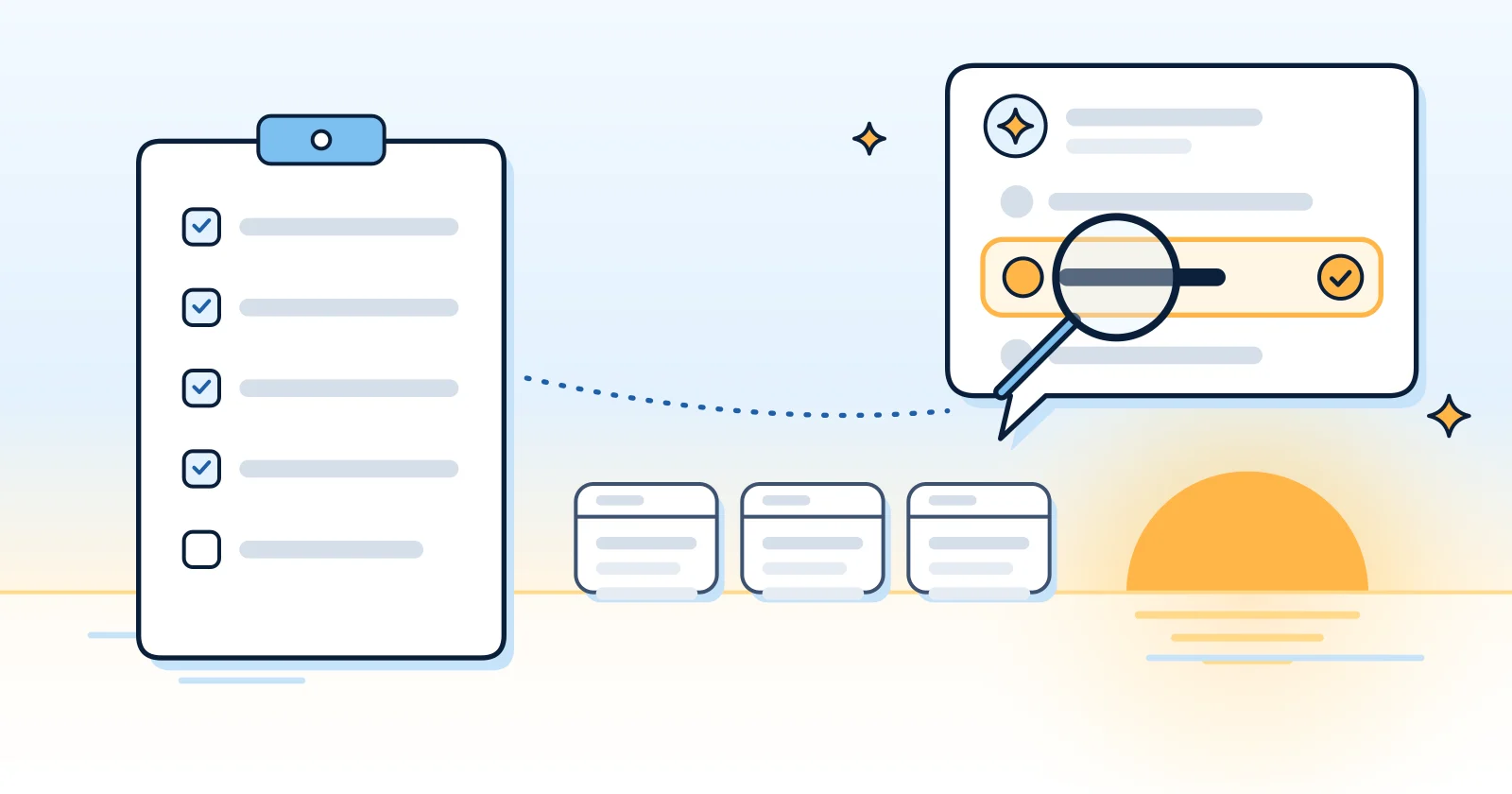
What they told a business to fix, with each answer counted once per item: mentions on other credible sites (8 of 9), reviews (8 of 9), directories and listings (8 of 9), pages that answer buyers’ questions directly (7 of 9) and the same name and details everywhere (7 of 9). Further down the list were saying plainly what you do (6 of 9), asking the assistants your buyers’ questions yourself (5 of 9), a Google Business Profile (5 of 9), Bing (4 of 9), Reddit and community discussions (4 of 9) and robots.txt (3 of 9). These counts describe what the answers suggested; they don’t show which changes caused a business to be named.
What 9 AI answers told a business to fix
Count of 9, Sep 30, 2026
- Mentions on other sites
- 8 of 9
- Reviews
- 8 of 9
- Directories and listings
- 8 of 9
- Pages that answer buyers' questions
- 7 of 9
- Same details everywhere
- 7 of 9
- Say plainly what you do
- 6 of 9
- Ask the questions yourself
- 5 of 9
- Google Business Profile
- 5 of 9
- Bing
- 4 of 9
- Reddit and communities
- 4 of 9
- robots.txt and AI crawlers
- 3 of 9
One more finding, ChatGPT and Perplexity only, because Gemini’s links aren’t counted yet: for this question, OpenAI’s own help pages were the site cited most, in 4 of the 6 answers.
5 of the 9 answers also said to add schema markup. We leave it off this list. Our post on schema and llms.txt shows what the data says.
What should a small business fix first?
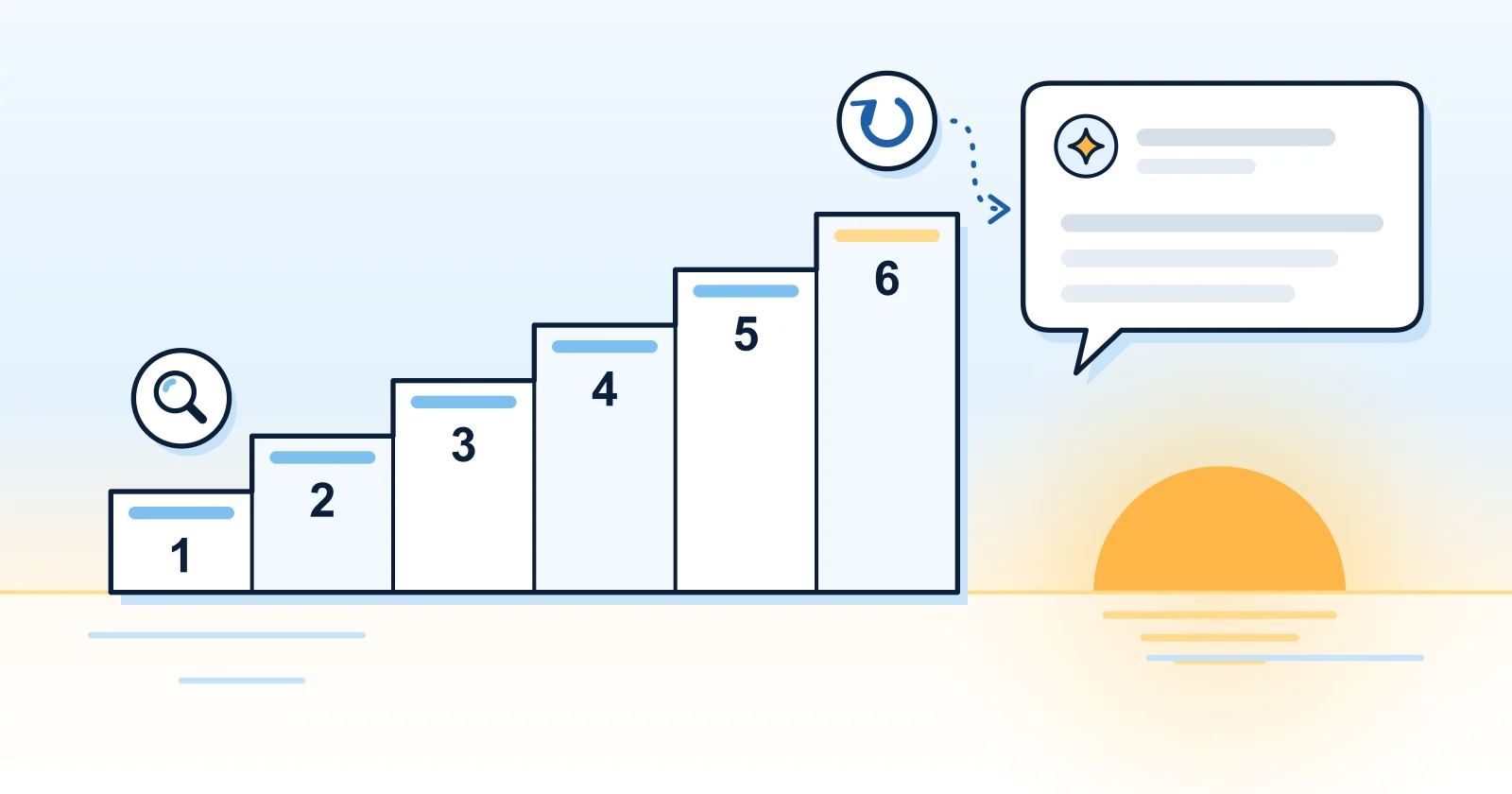
Start by checking, then fix your own site, then go after mentions elsewhere. In order:
- Ask the questions first. Write down who is named today when you ask your buyers’ questions (an hour).
- Let AI search tools reach and read your site. (an hour)
- Say plainly what you do, and use the same details everywhere. (an afternoon)
- Answer your buyers’ questions on your own pages. (days)
- Get listed, reviewed and mentioned on the sites AI reads. (months; start once step 3 is done)
- Ask the same questions again before you judge anything. (every few weeks)
The order to fix things in
- Ask the questions
- Let AI tools read your siteOn your site
- Say what you doOn your site
- Answer buyers' questionsOn your site
- Get mentioned elsewhereOff your site, slower
- Ask againThen back to step 1
Steps 2 to 4 are on your own site. They are mostly within your control and give outside reviewers a clear page to point to. Step 5 was the most frequent suggestion in the answers (8 of 9) but depends on other people, so start it early.
Our own order differs, because for us steps 1 and 2 were already done or passed on Oct 4. If you’re starting from scratch, start at step 1.
How do I show up in AI search results at all?
Be reachable and readable: let the search crawlers in and make sure your pages are in the search indexes. That covers steps 1 and 2.
OpenAI’s crawler documentation says: “Sites that are opted out of OAI-SearchBot will not be shown in ChatGPT search answers, though can still appear as navigational links.” Perplexity’s crawler page says PerplexityBot is used to “surface and link websites in search results on Perplexity”. For the Perplexity question we asked, robots.txt came up in 7 of 9 answers.
Being in Google’s and Bing’s indexes is part of this step. Bing’s Webmaster Guidelines say “Bing and Copilot search experiences rely on the same core crawling, indexing, and ranking foundation as traditional search”, and list IndexNow, XML sitemaps and crawlable internal links as ways Bing finds your pages. 4 of the 9 answers about ChatGPT named Bing too. We don’t claim which search engine ChatGPT itself uses; we couldn’t confirm that in OpenAI’s documentation.
Our example. All 3 checks for this step passed on Oct 4. Our robots.txt lets the assistant search crawlers in and our pages answered 200 to those crawler names. Our text loads with JavaScript off. Our key pages show their main text in under 2 seconds on a simulated phone. We verified the site in Google Search Console and Bing Webmaster Tools at launch on Sep 30, and we send new pages to Bing with IndexNow on every publish.
The limit: that check shows our site doesn’t block those crawler names. It doesn’t show what the crawlers fetched, or whether any assistant has indexed us.
Does your website say plainly what you do?
It should, in text, on the page: what you do, for whom and where. 6 of the 9 answers said to state exactly that, and 7 of 9 said to keep the same name and details everywhere.
Google’s Business Profile help says “Businesses with complete and accurate info are more likely to show up in local search results”. That is Google’s local search, not an AI answer. Google’s AI features page also asks you to keep your Business Profile up to date, so a complete one is a sensible default if you serve a local area.
Our example. This check was a Fix. The site itself was consistent, but we found no Answersky profile anywhere else, and a search for our name turned up an unrelated company. On Oct 4 we created our LinkedIn company page. By Oct 8, our site linked to it.
Do your pages answer the questions buyers ask?
They should: put the question in the heading and the answer in the first line under it. 7 of the 9 answers said to write pages like that. Google lists “Making sure that important content is available in textual form” among its best practices on its AI features page.
Our example. This check was a Fix too. On Oct 4, most of our headings were questions answered first, but the main heading on our home page was a statement, and our FAQ headings didn’t have an answer line. Since Sep 30 we’ve published 5 posts and guides, each answering one buyer question. The latest is How do I check if ChatGPT mentions my business? On Oct 13 we added the question “How do I check if ChatGPT mentions my business?” to our home page, with the answer in the first line.
What should I fix if I want ChatGPT to recommend me?
No one can make ChatGPT recommend you, but the answers point most often to one area: being mentioned, reviewed and listed on other sites. Third-party mentions, reviews and directories each came up in 8 of 9 answers.
A 2025 study of generative engine optimization (Chen et al.) found AI search showed “a systematic and overwhelming bias towards Earned media (third-party, authoritative sources) over Brand-owned and Social content”. It’s a preprint, measured on the authors’ own sets of queries, not on any one business.
The order inside this step:
- Your own profiles first. A Google Business Profile if you serve a local area, and a LinkedIn page.
- Then the directories and review sites for your field.
- Then the lists and articles AI cites for your buyers’ questions. Find them with which websites AI cites.
Reviews should come from real customers: ask, and never buy or script them. Reddit came up in 4 of 9 answers, but it only works if you take part genuinely, so we haven’t started there.
Our example. We created the LinkedIn page on Oct 4. linkedin.com was cited in 9 of the 54 ChatGPT and Perplexity answers across our questions, all by Perplexity. We plan to ask the editors of 3 publishers whose comparison pages were cited to consider us, and to offer a publisher one dated finding from our own scans. Our paid plans can now be bought, so a listing no longer sends anyone to “Available soon”. We have no reviews yet.
What did we change on our own site, and when?
Here is the record so far: 3 of 5 checks passed on Oct 4, and the 2 that needed fixes are underway.
| Step | What we checked (Oct 4) | Result | What we did | When |
|---|---|---|---|---|
| Reach and read | AI search bots can get in; text loads without JavaScript; fast pages | Pass ×3 | Speed fix; Search Console and Bing at launch; IndexNow on each publish | Sep 29 / Sep 30 |
| Say what you do | The same details everywhere | Fix | LinkedIn page created; linked from the site by Oct 8 | Oct 4 / Oct 8 |
| Answer-first pages | Question headings, answer first | Fix | 5 posts and guides by Oct 4; FAQ headings as questions; home question heading Oct 13 | Sep 30–Oct 13 |
| Mentions elsewhere | (not a site check) | n/a | Editor requests and listings | After our paid plans can be bought |
| Check again | Baseline 0 of 78 | n/a | Scan #2: 0 of 54, different setup; weekly checks from Oct 19 | Oct 7; results on /log |
On Sep 29 we fixed mobile speed. On Sep 30 the site went live and was verified in Search Console and Bing, and we recorded our baseline scan. Between Sep 30 and Oct 4 we published 5 posts and guides. On Oct 4 we created the LinkedIn page. On Oct 7 we ran a second scan with a different setup: named in 0 of 54 answers. By Oct 8 the site linked to our LinkedIn page. On Oct 13 we added a question heading to the home page and the founder’s name to the About page.
Every change goes on our public log with its date. One site’s changes prove nothing general. We’ll report what moved and what didn’t.
How do I improve AI visibility and know it worked?
Ask the same questions, each 3 ways, before and after your changes, and trust a change only when 2 scans agree. Answers vary from one answer to the next, so one answer says little either way. We explain why on how it works, and what our score means is at how the score works.
Expect weeks, not days. OpenAI and Perplexity both say a robots.txt change can take around 24 hours to be reflected, and that is only the first step. For a hand check, see How do I check if ChatGPT mentions my business?
Bing’s AI Performance report (in public preview since Feb 2026) shows when Copilot and Bing’s AI answers cite your pages. It doesn’t cover ChatGPT.
Our own check-again row: a baseline of 0 of 78, then 0 of 54 in a second scan with a different setup. Weekly checks start Oct 19, and the results go on /log.
What can wait?
Schema and llms.txt can wait. The evidence on them is thin, and our post on schema and llms.txt has the data.
Daily dashboards can wait until you’ve made a change worth measuring. So can anyone who promises you’ll be named: nobody can promise that.
Free Quick Scan: 6 of your buyers’ questions on ChatGPT and Perplexity, 12 answers, and who AI named instead of you. Report within 3 business days. Get your free Quick Scan.