Choose an AI visibility tool by what it measures: which assistants it asks, how many ways it asks each question, whether it shows who is named instead of you, and whether you can see the raw answers, then by price and how often it checks.
Most “best AI visibility tools” lists compare features and prices. This post is a shorter checklist you can hold any tool against, including ours. Where Answersky is limited, we say so. We don’t name or rank other tools here, because the checklist matters more than any one name.
What does an AI visibility tool actually measure?
It measures whether AI assistants name your business when your buyers ask them a question. It does not measure website traffic or your position in search results.
That difference matters when you compare tools. A dashboard full of traffic charts is an analytics product. An AI visibility tool should answer one thing: when someone asks ChatGPT, Gemini or Perplexity for what you sell, does your name appear in the answer? Answersky’s own score is the share of answers that name you, and it doesn’t mean your traffic or search rankings. It also says nothing about what every user sees.
If a tool can’t tell you in one sentence what its number counts, ask again before you pay.
Which assistants should an AI visibility tool cover?
It should cover the assistants your own buyers use, and tell you plainly which ones those are. A tool that checks only one assistant can miss where your buyers are actually asking.
Ask three things:
- Which assistants does it ask, and is that list fixed? If you can’t see the list, you can’t judge the number.
- Is it the real consumer app, or the model behind it through an API? Both are legitimate, but they can answer differently. Answersky asks the models behind ChatGPT, Gemini and Perplexity, via their APIs with web search, so the apps can answer differently.
- Does it show the sites each assistant cited, and how does it collect them? Ask how the tool identifies cited sites and what it leaves out. Answersky follows Gemini’s source links to identify the sites, leaves out sources it can’t identify reliably, and reports that limit. See how it works.
Why does the number of wordings matter?
Because one wording can mislead. Buyers don’t all phrase a question the same way, and an assistant can name different businesses for “best X” than for “who should I use for X?”
A tool that asks each question once is showing you one roll of the dice. Ask how many ways it asks. Answersky asks each question 3 ways, in 3 different wordings, once each. As we put it on how it works: “Different wordings are how real buyers ask, and they give a steadier number than one answer.”
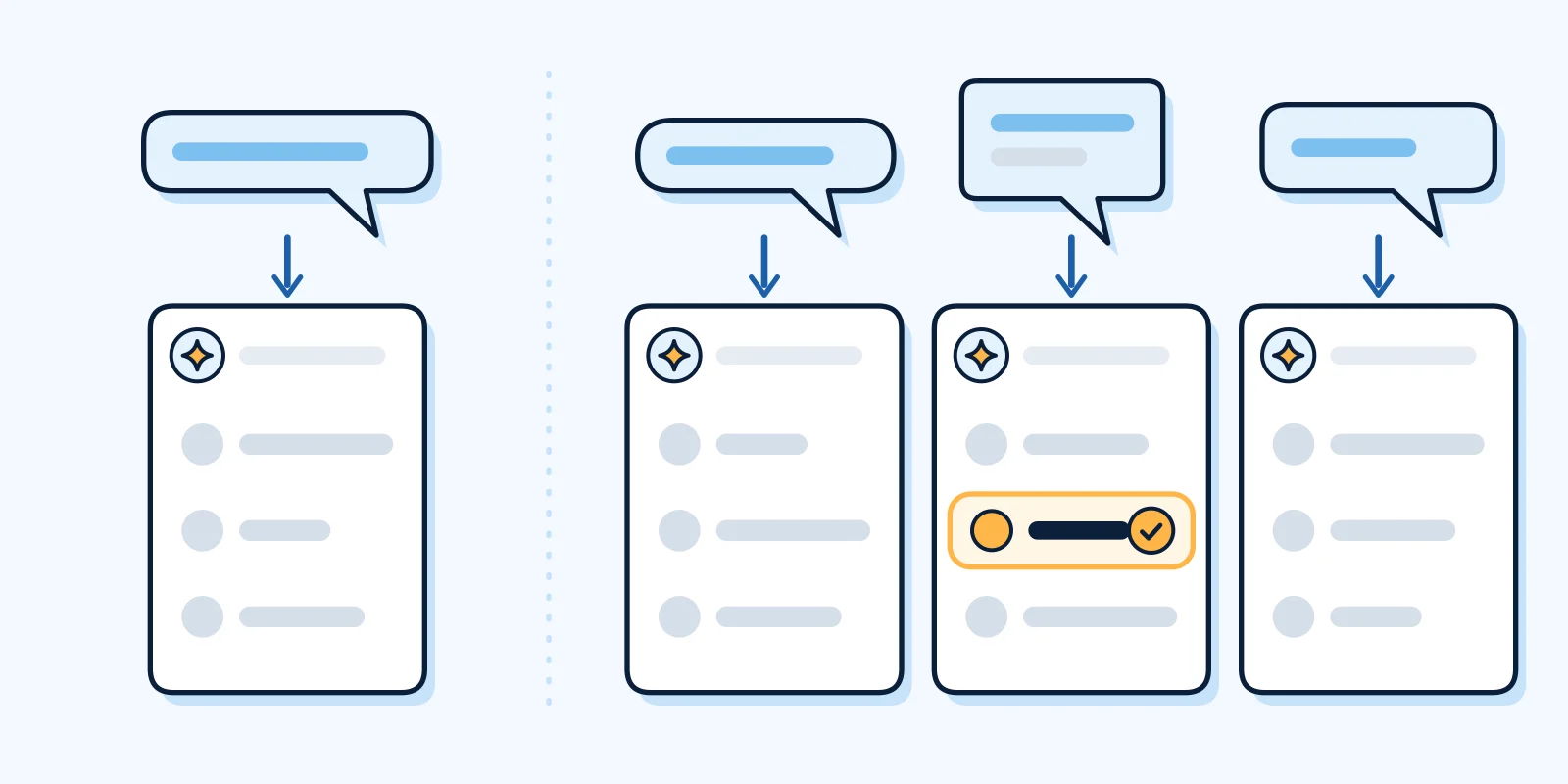
Ask the tool whether its count comes from different wordings or from repeating the same wording, and to explain its method. If it can show you which results are different wordings and which are repeat samples of one wording, you can judge the number for yourself.
Should an AI visibility tool show who is named instead of you?
Yes. A score tells you how often you’re named, or that you’re missing. The list of which tools were named instead tells you what to look at next.
When we scanned our own site, that list was the useful part. On Sep 30, 2026, we asked 9 questions in 3 wordings on 3 assistants, 81 answers asked in all. Answersky scored 0/100 on ChatGPT, Gemini and Perplexity, and the answers named 7 other tools that track AI visibility, not us. That is our public baseline in the log. A bare score would have shown us the gap. The list of names showed us which tools were named in those sampled answers.
ChatGPT, Sep 30, 2026 Not named
Which platform do marketing teams use to track if ChatGPT recommends their company?
- Another tool, name hidden
- Another tool, name hidden
- Another tool, name hidden
Check what the tool does with that list. Does it show every business named, or only the top few? Does it show the answer each name came from? Can you tell a business named once from one named all the time?
Can I see the raw answers?
Prefer a tool that keeps the raw answers and lets you read them. They are your evidence.
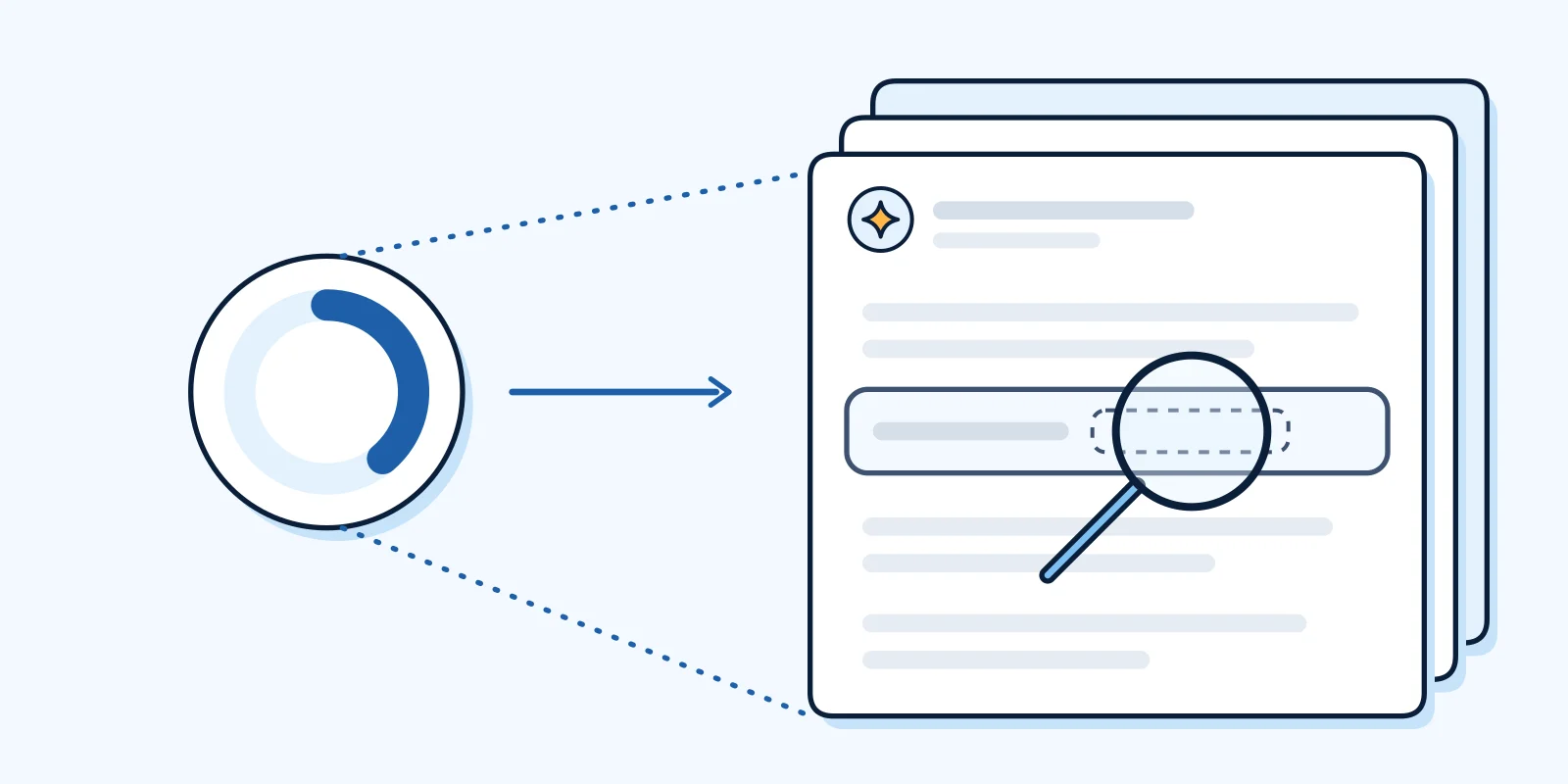
A score is a summary, and summaries hide things. With the raw answers you can see whether you were left out entirely, mentioned in passing, or named with the wrong details. You can also check the tool’s work: if the number looks off, read the answers behind it.
We keep every raw answer, and the Full Report quotes them. If a tool shows only a score and a trend line, ask whether you can read the underlying answers. If you can’t, you are trusting the number without being able to check it.
Is a one-off report or monthly AI visibility monitoring better?
A one-off report gives you a starting point, and monthly AI visibility monitoring gives you comparable scans over time. Which one you need depends on whether you’re about to change something.
AI answers vary from one ask to the next, so one check is not a trend. Comparable scans, with the same questions asked the same way, show changes in observed mentions. They can’t prove that a page edit caused a change, because answers also move on their own. As our own reporting rule, we count a change only when 2 scans agree. That is how we choose to report, not proof of cause. A single report is good for finding out whether you’re named at all and which tools are named instead.
Consistency matters more than frequency. Ask whether the questions and wordings stay fixed from one check to the next. Otherwise a change in the number might only be a change in the questions. Ask how often it checks too, but treat that as the last question, not the first.
Answersky has a one-off Full Report and a Monthly plan. The Full Report covers 9 of your buyers’ questions, and the monthly report is monthly, not daily. That is a smaller, slower check than some tools offer, and you may want more. See pricing for what each plan includes and what is available now, and compare it against this checklist rather than taking our word for it.
What should a small business skip?
For AI visibility for a small business, skip any tool that promises a score or a place in AI answers, and pick a check cadence that fits the decisions you’ll make and your budget. No one can promise a result.
- A cadence that doesn’t fit your decisions. Answers vary, so a daily line can move up and down on its own. Pick a cadence that fits the decisions you’ll make and your budget, and compare like with like. Ours is monthly, not daily.
- Promises about results. No tool controls what ChatGPT, Gemini or Perplexity say. A tool that promises a ranking or a mention is promising something it can’t deliver. Look for tools that tell you what they measured and report the result as it came out.
- Questions you cannot inspect or confirm are relevant. Questions a tool suggests are fine if they match what your buyers ask and you can see them. What matters is that you can check them.
- Features you won’t use in the first month. Start with three things: are you named, which tools are named instead, and what do the answers say.
If you’re not sure where to start, our first post lists what you can check yourself for free.
What should you ask any AI visibility tool?
| Question to ask | Why it matters | What Answersky does |
|---|---|---|
| Which assistants does it ask? | Your buyers use different ones, and the apps can answer differently from the APIs. | The Full Report asks ChatGPT, Gemini, Perplexity and Claude. The Quick Scan asks ChatGPT and Perplexity. All via their APIs with web search. |
| How many wordings per question? | One wording can mislead. | Asked 3 ways, in 3 different wordings, once each. |
| Does it show who is named instead of you? | It’s the part you can act on, and it shows which tools were named in the sampled answers. | Yes, in the Quick Scan and the Full Report. |
| Are the raw answers kept? | They are your evidence, and let you check the number. | Kept. The Full Report quotes them. |
| One-off or monthly? | A one-off is a starting point. Monthly gives comparable scans, which show changes in observed mentions. | Both. The monthly report is monthly, not daily. |
| What does it cost? | Compare the same coverage over the same period. | See pricing. |
| Where is it limited? | Every tool has limits, and you should hear them. | Sources we can’t identify reliably are left out of the site list. The apps can answer differently. The monthly report is monthly, not daily. |
See how it works and pricing.
Free Quick Scan: 6 of your buyers’ questions on ChatGPT and Perplexity, 12 answers, and who AI named instead of you. Report within 1 business day. See pricing.