Ask each AI assistant the same fixed list of buyer questions with web search on in a fresh session twice each. Count the answers that name you and the answers that cite your website as two separate numbers. In Answersky’s Oct 12, 2026 check of our own site, ChatGPT, Gemini and Perplexity named answersky.com in 0 of 53 answers.
We’re Answersky (answersky.com). This is the method we run on our own site, which our log records check by check. The numbers it has produced so far are all dated. Everything below comes from our own checks. You can repeat it by hand in an afternoon with a notes sheet.
What are the five steps?
- Write a fixed list of buyer questions. Questions a buyer types before they know your name, never your own name.
- Turn web search on. Then check that the assistant used it.
- Use a fresh session for every question. One question per chat, with no earlier conversation.
- Ask each question twice. Same words, two separate sessions.
- Count named and cited separately. Two columns, never one combined tick.
How do I write the questions?
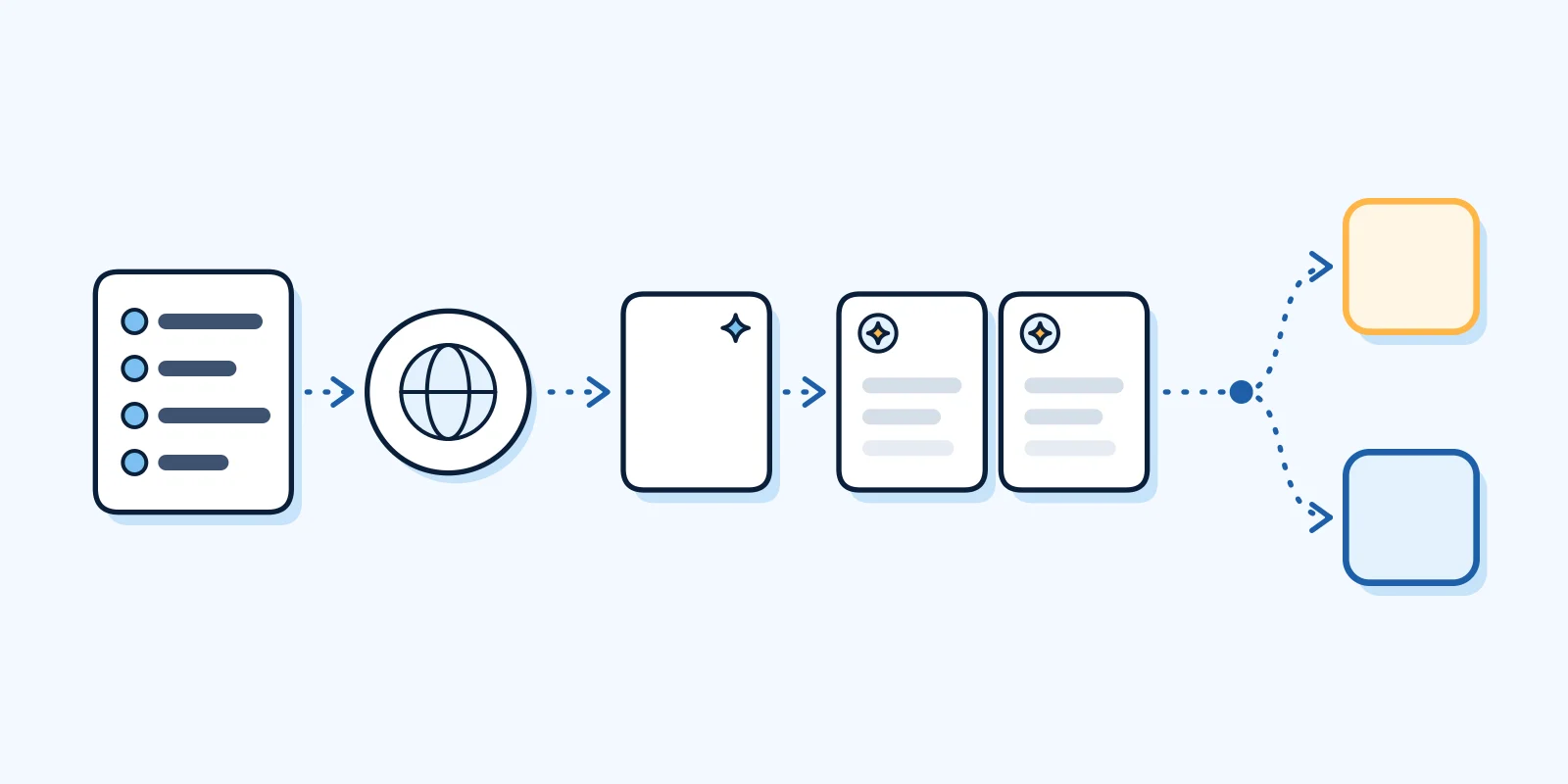
Write a short list of questions (5 to 10 is plenty) in your buyers’ words, the ones they would ask while still choosing. Leave your name out. A question with your name in it tests only whether the assistant knows you. It says nothing about whether you come up when someone is still deciding. How do I check if ChatGPT mentions my business? shows the three kinds worth including.
Then freeze the list. Write the wording down once and reuse it word for word at every check. If you change a question between checks you can’t tell whether the answers moved or the question did. Add new questions as a separate list instead of editing the old one.
We use the same approach on our own site: a fixed set of 9 buyer questions, asked the same way each time. We don’t publish the exact wording. Yours will be different anyway because your buyers are.
Why turn web search on and how do I know it ran?
An assistant that answers from memory can only repeat what it already knows. With web search on, it can read pages as it answers, so what the web says about you can change the answer.
Don’t assume it did. In Answersky’s Oct 15, 2026 test of B2B buyer questions, a leading AI assistant with web search available searched the web in 52 of 56 answers and linked sources in all 52. That is most answers but not all. Record whether sources are shown. Use any available search activity to check whether web search ran; links alone do not establish that. If you cannot tell, record search use as unknown. Keep every original answer and record any retry as another answer.
Where the app has a search option, turn it on. The apps can answer differently from the programming interfaces we use for our scans, so treat a hand check as a first look.
Why use a fresh session for every question?
An earlier answer in the same chat can shape the next one. Open a new chat for each question and don’t mention your business in it. If the app saves memory or personal instructions, consider turning them off for the check. A saved detail about you may lead an assistant to name you when a stranger would not get that.
We follow the same rule. On Oct 15, 2026 we asked a fourth assistant, with web search, each question separately and twice. It named answersky.com in 0 of 28 answers.
Why ask every question twice?
Because one answer is one sample. Ask the same question again in a new session and the list can change. In Answersky’s Oct 15, 2026 test, when each B2B question was asked twice, about 60% of the firms a leading AI assistant named appeared in both answers. That is a pooled figure across 28 questions: the firms named in both answers to a question, added up, divided by the firms named in either answer, added up. Single questions ranged from 27% to 90%. If you’re named in one answer and not the other, that is worth knowing. You’d never see it from a single ask.
Twice is the least that shows it. More is better if you have the time. How much answers move over a longer stretch is its own question, covered in how much AI answers change week to week.
Why count named and cited separately?
They answer different questions.
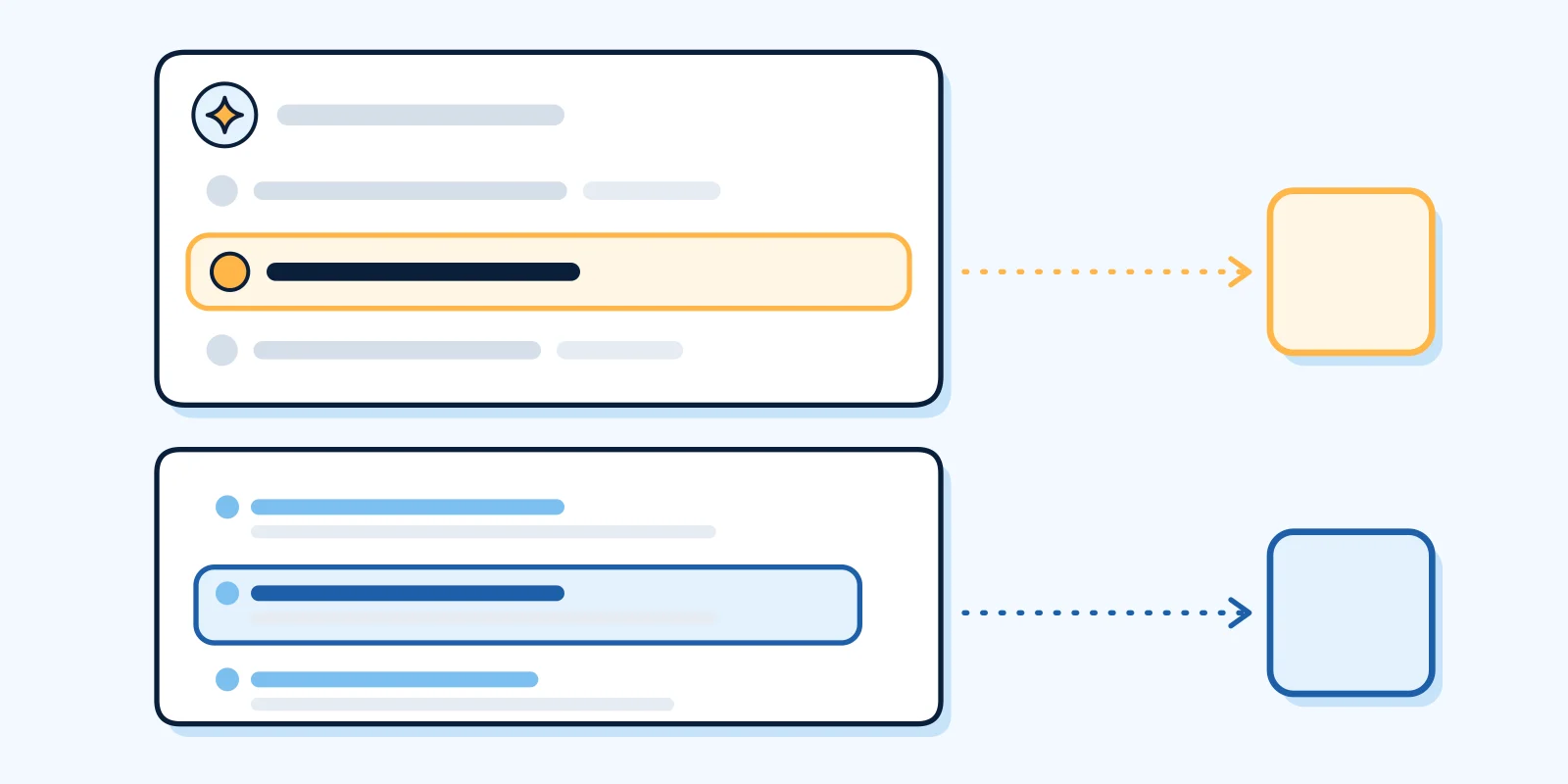
- Named: your business name appears in the text of the answer.
- Cited: your website is one of the pages the answer links as a source.
You can be one without the other. An answer can name you from a page that isn’t yours or cite your page and name someone else. Counting them as one number hides which of the two is missing.
Keep one row per answer, with these columns:
- the question and the assistant;
- which ask it was (first or second);
- whether web search ran;
- named: yes or no (and whether you were recommended or only listed);
- cited: yes or no;
- who else was named;
- which sites were cited.
The last two columns are the useful ones when you’re not named. They show who a buyer meets in your place and which pages the assistant read to get there.
What did our own checks find?
Our own site is the example because it’s the one we can count without asking anyone’s permission. Each result below links to where it is published. The setups differ a little from check to check, so the rows are not a trend.
| Check | Date | Result | Source |
|---|---|---|---|
| Our own site, ChatGPT, Gemini and Perplexity, each question 3 ways | Sep 30, 2026 | Named in 0 of 78 answers (81 asked, 3 empty) | Log, entry 1 |
| The same three assistants, each question twice | Oct 7, 2026 | Named in 0 of 54 | Log, entry 2 |
| The same setup as Oct 7 | Oct 12, 2026 | Named in 0 of 53 | Log, entry 3 |
| The same setup again | Oct 14, 2026 | Named in 0 of 54. Other AI-visibility tools named in 32 of 54. No answer cited answersky.com | Log, entry 3 |
| A fourth assistant with web search, each question separately and twice | Oct 15, 2026 | Named in 0 of 28 | Log, Oct 15 update |
| B2B buyer questions, a leading AI assistant with web search, 56 answers | Oct 15, 2026 | Searched in 52 of 56. List-style pages cited in 43 of 52 answers with sources | B2B study and AI visibility statistics |
Two things stand out. First, being named is the first number and it has stayed at zero in every check above. Second, the cited sources show where to look next. They differ by assistant and by test. Which websites does AI cite? and How do I get my business cited by Perplexity? go further.
What do I do with the results?
Read the two columns you filled in when you weren’t named.
- Who was named instead. On Oct 14, 2026, other AI-visibility tools were named in 32 of our 54 answers. That is who our buyers meet in our place. Yours is a different list.
- Which pages were cited. In Answersky’s Oct 15, 2026 test, list-style pages (“best”, “top”, “vs” or “alternatives” in the web address) were cited in 43 of the 52 B2B answers that linked sources. A page cited in many answers is a page worth reading to see what it says about the field.
What 52 B2B answers cited
Answersky's Oct 15, 2026 test. Answers with linked sources, of 52.
- Other websites (articles, media, blogs)
- 49
- …of which list-style pages
- 43
- Review or partner directories
- 16
- Whether you were recommended or just listed. Both are a mention but they aren’t the same thing. Keep them apart.
A citation shows that a page was linked. It doesn’t show that the page decided who was named. So treat the cited list as a place to look, not a rule. If you want to act on it, How do I get onto the pages AI already cites? covers what we’d do and what we can’t promise.
How often should I check?
A weekly check is a practical starting point. It is often enough to see movement without turning the check into a job. Pick one day and keep the same questions.
One check is one sample, so record every answer, including the ones that disagree with the last check. On our log we count a change only if the result holds across two weekly checks. That is our own rule for avoiding noise. It isn’t proof of what caused a change.
If you change something on your site, write the date in your notes next to the checks so you can look back at what happened around it.
What can a check not tell you?
- How the apps answer. Our scans ask the assistants through their programming interfaces with web search on. The apps can answer differently. Answers can depend on the person and their earlier chats. A hand check in an app is a first look.
- What every buyer sees. A few dozen answers are a sample. They aren’t a ranking of how often you’re named in total.
- Why you were or weren’t named. A check counts mentions and shows the sources. It doesn’t show how the assistant chose.
- Anything about the future. A zero today isn’t a verdict. A mention today isn’t a promise. Nobody can promise that an assistant will name you.
Our own method has limits too. The Oct 12 to Oct 14 checks asked 9 questions in one wording, so a different wording could give different answers. The Oct 15 B2B test asked for businesses by name where relevant, which probably raises how often they’re named. We don’t publish the names that came back.
How do I check without doing it all by hand?
The free Quick Scan runs a version of these steps for you on ChatGPT and Perplexity and shows who AI named instead of you.
Free Quick Scan: 6 of your buyers’ questions on ChatGPT and Perplexity, 12 answers and who AI named instead of you. Get your free Quick Scan. Results on the scan page when ready, plus an emailed copy; queued or review requests arrive by email within 1 business day.